

Slip resistant

Invisible fixing

Easy to maintain
Available colours
Duofuse composite decking is available in 4 attractive shades. After several days, the Duofuse boards will begin to discolour. This is a natural and temporary process. After a few weeks/months, the original colour of the panels will be regained.
Graphite Black
Stone Grey
Tropical Brown
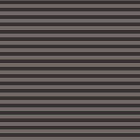
Wenge Brown
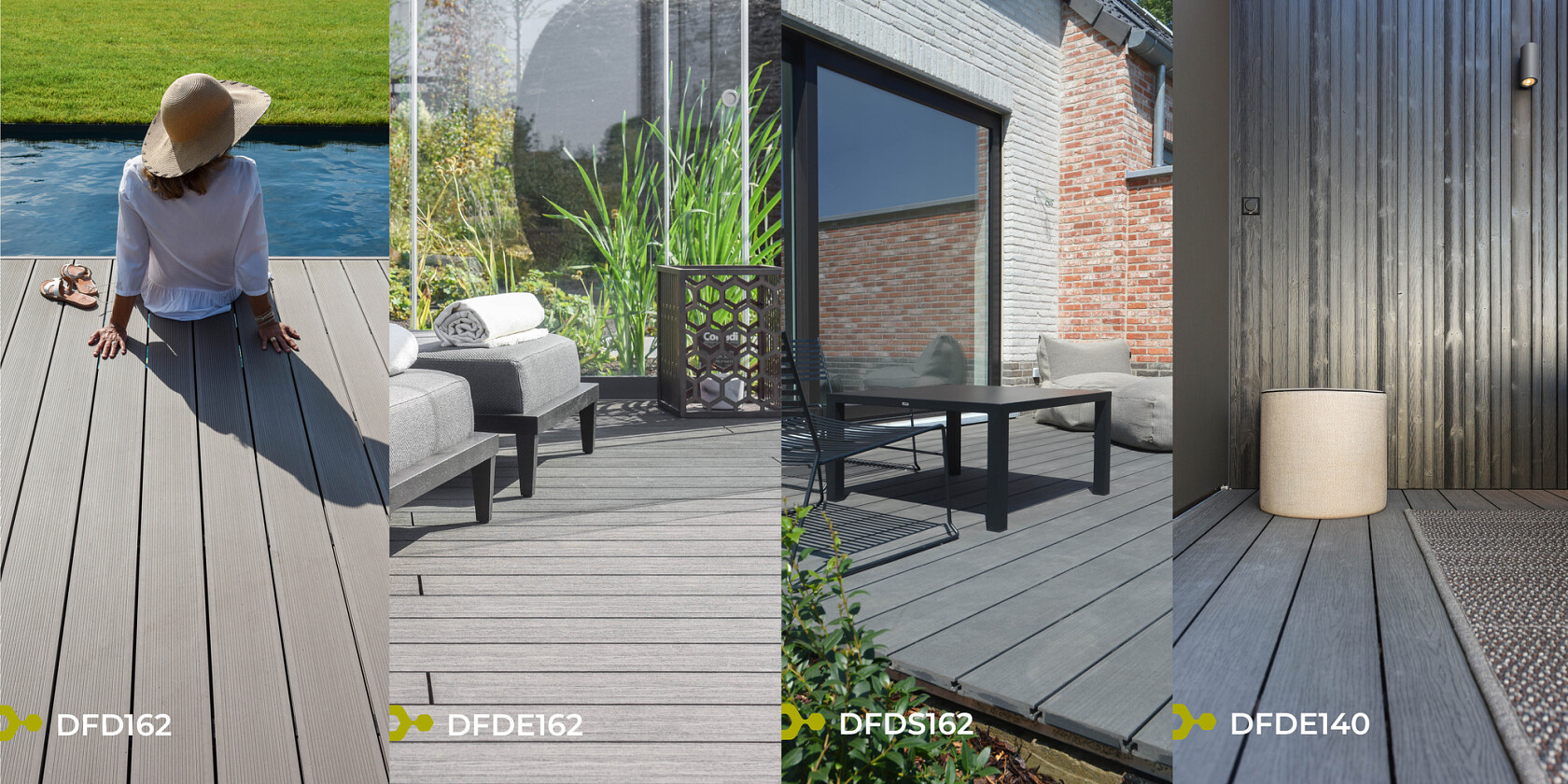
DFD162
Hollow decking board
The DFD162 decking boards can be used on both sides.
One side has a fine grooved texture, the other side is a wide grooved texture.
Length: 4000 mm
Width: 162 mm
Thickness: 28 mm
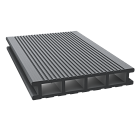
Fine grooved texture
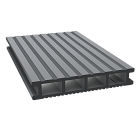
Wide grooved texture
DFDE162
Hollow decking board
The DFDE162 decking boards can be used on both sides.
One side has a brushed texture, the other side has a woodgrain texture. Over time, natural wear and exposure will gradually soften the appearance of the wood grain.
Length: 4000 mm
Width: 162 mm
Thickness: 28 mm
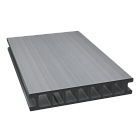
Brushed texture
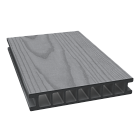
Woodgrain texture
DFDS162
Massive decking board
The DFDS162 is a unique product. It's sollid, yet surprisingly lightweight thanks to its specially designed core. These decking boards can be used on both sides.
One side has a fine grooved texture, the other side has a brushed texture.
Length: 4000 mm
Width: 162 mm
Thickness: 28 mm
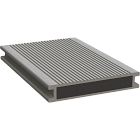
Fine grooved texture
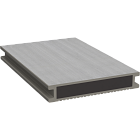
Brushed texture
DFDE140
Massive decking board
The DFDE140 is the heavy duty board of Duofuse. With its 140mm width it's smaller than the other type of Duofuse decking boards. One side has a fine grooved texture, the other side has a woodgrain texture.
Length: 4000 mm
Width: 140 mm
Thickness: 28 mm
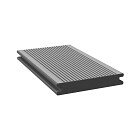
Fine grooved texture
Woodgrain texture
Substructure
The components required for installing a deck depend on the type of surface it will be built on and the type of beam selected. There are two main installation types: on a solid surface or as a floating structure, such as on a rooftop terrace. Below is an overview of the different types of beams and the corresponding components needed for each installation method.
Solid surface
A solid surface refers to a stable and permanent base onto which the deck structure can be directly mounted. Examples include a concrete slab or paved patio. In this setup, the beams are securely anchored to the solid surface using appropriate fasteners such as plugs and screws. This creates a strong and reliable foundation for the decking boards.
The components listed below are suitable for the installation of a terrace using PVC support beams.
| Article | Colour | Material | Dimensions |
|---|---|---|---|
PVC Beam (DFB048)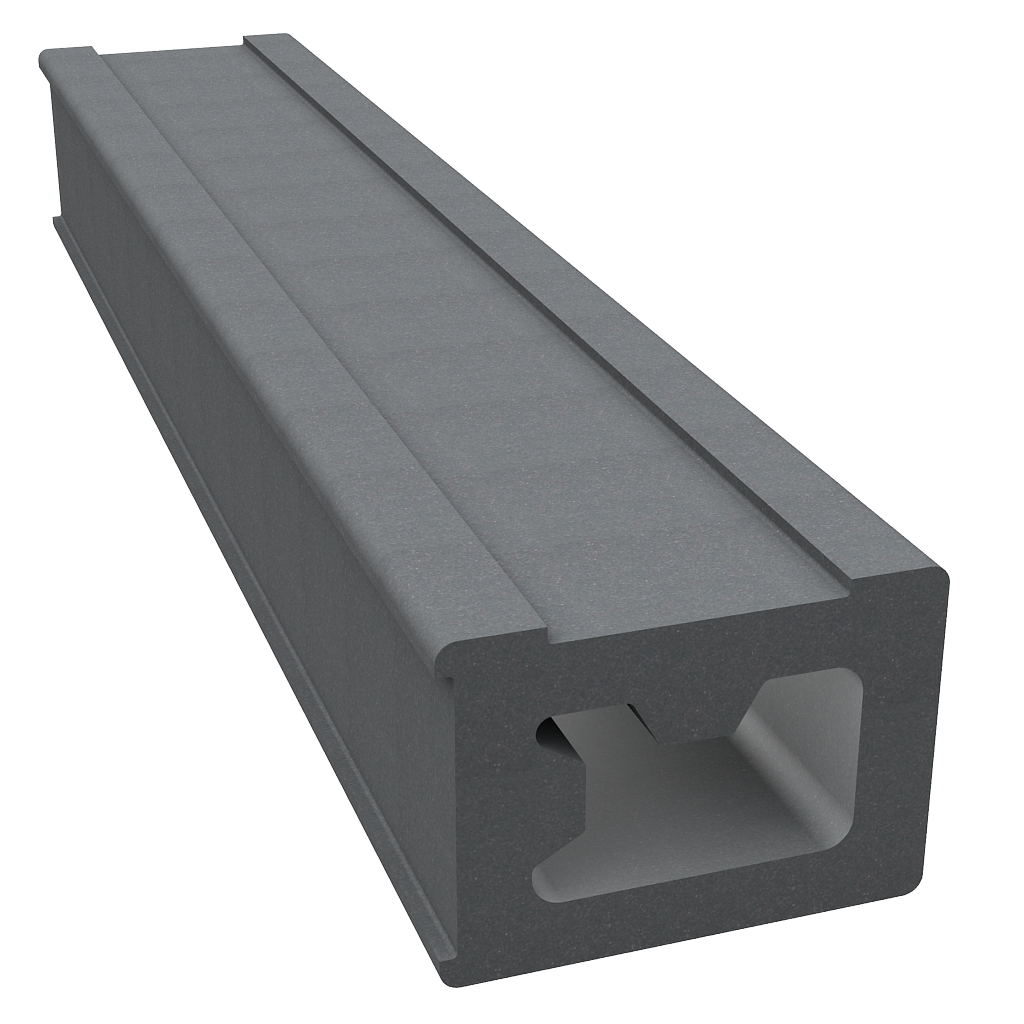
|
Black | PVC |

|
Standard Clip (DFC001)
|
N/A | Stainless Steel |

|
Starter and finishing clip (DFC004)
|
N/A | Stainless Steel |

|
The components listed below are suitable for the installation of a terrace using aluminium support beams.
| Article | Colour | Material | Dimensions |
|---|---|---|---|
Aluminium beam (DFBA040)
|
N/A | Aluminium |

|
Rubber protection tile (DFR90x90)
|
N/A | Rubber |

|
Synthetic clip (DFC005)
|
N/A | Stainless Steel + PVC |

|
Starter and finishingclip (DFC006)
|
N/A | Stainless Steel |

|
The components listed below are suitable for the installation of a terrace using wood support beams.
| Article | Colour | Material | Dimensions |
|---|---|---|---|
Fixating Clip (DFC002)
|
N/A | Stainless Steel |

|
|
Starter and finishing clip (DFC004)
|
N/A | Stainless Steel |
|
Floating structure
A floating structure is used when there is a solid surface with a height difference that cannot be corrected using the beams alone, or when the surface cannot be altered by anchoring the beams directly onto it. In this case, a sturdy frame of aluminum beams is constructed and placed on adjustable pedestals.
For higher placements or placement on roof terraces you can use polypropylene pedestals that allow heights of more than 200 mm. When using these pedestals, however, you cannot use wood composite beams, since it is not a structural element.
| Article | Colour | Material | Dimensions |
|---|---|---|---|
DFP35/50-70
|
Black | Polypropylene | Height: 35-70 |
DFP50/80-70
|
Black | Polypropylene | Height: 50-80 |
DFP80/110-70
|
Black | Polypropylene | Height: 80-110 |
DFP110/140-70
|
Black | Polypropylene | Height: 110-140 |
DFP140/170-70
|
Black | Polypropylene | Height: 140-170 |
DFP30
|
Black | Polypropylene |
Height:30 |
The components listed below are suitable for the installation of a terrace using Aluminium support beams.
| Article | Colour | Material | Dimensions |
|---|---|---|---|
|
Aluminium Beam (DFBA040)
|
N/A | Aluminium |
|
|
Synthetic Clip (DFC005)
|
N/A | Stainless Steel + PVC |
|
Starter and finishing clip (DFC004)
|
N/A | Stainless Steel |
|
Joiner piece (DFJP) 
|
N/A | Aluminium |

|
Multifunctional corner (DFMC)
|
N/A | Aluminium |

|
The components listed below are suitable for the installation of a terrace using wood support beams.
| Article | Colour | Material | Dimensions |
|---|---|---|---|
|
Fixating Clip (DFC002)
|
N/A | Stainless Steel |
|
|
Starter and finishing clip (DFC004)
|
N/A | Stainless Steel |
|
To finish the terrace, a finishing skirting board can be used.
This skirting board is available in both wood composite and aluminum, allowing you to choose the option that best matches your aesthetic preferences and durability needs. It can be used in combination with a terrace installation on wood, PVC, or aluminum support beams.
Installing a finishing skirting board not only enhances the overall appearance of the terrace by covering the edges, but also helps protect the structure and maintain a clean, professional look.
| Article | Colour | Material | Dimensions |
|---|---|---|---|
Skirt (DFS076)
|
Graphite Black (GB) Stone Grey (SG) Wenge Brown (WB) Tropical Brown (TB) |
Wood Composite |

|
L profile (DFLA076)
|
Graphite Black (GB) Stone Grey (SG) Wenge Brown (WB) Tropical Brown (TB) |
Coated Aluminium |

|
Fire certification
The need for fire-certified products is increasing and depends heavily on the situation. For a patio in a traditional garden, there are generally no requirements, although it is certainly advantageous that materials don't immediately ignite when used with things like a barbecue or fire pit. For emergency escape applications, patio planks must meet at least Cfl classification.
All colors within the DFD, DFDE, and DFDS types have been individually tested for their fire behavior, because color actually influences performance when exposed to fire.
Fire certification is never issued solely for the product itself, but always depends on the entire structure in which it is used. Therefore, fire certification is only valid when the patio plank is used in combination with the aluminum substructure.
| Fire reaction when using aluminium substructure | EN 13501-1 | (zie onder) | - | |
| Graphite Black | Stone Grey | Tropical Brown | Wenge Brown | |
|---|---|---|---|---|
| DFD140 | BFL - s1 | BFL - s1 | BFL - s1 | BFL - s1 |
| DFD162 | DFL - s2 | DFL - s2 | CFL - s1 | CFL - s1 |
| DFDE162 | DFL - s2 | DFL - s2 | CFL - s1 | CFL - s1 |
| DFDS162 | DFL - s2 | DFL - s2 | BFL - s1 |
BFL - s1 |
Why Duofuse?
Natural wood look with superior durability
Offers the aesthetic appeal of wood while being significantly stronger and longer-lasting.
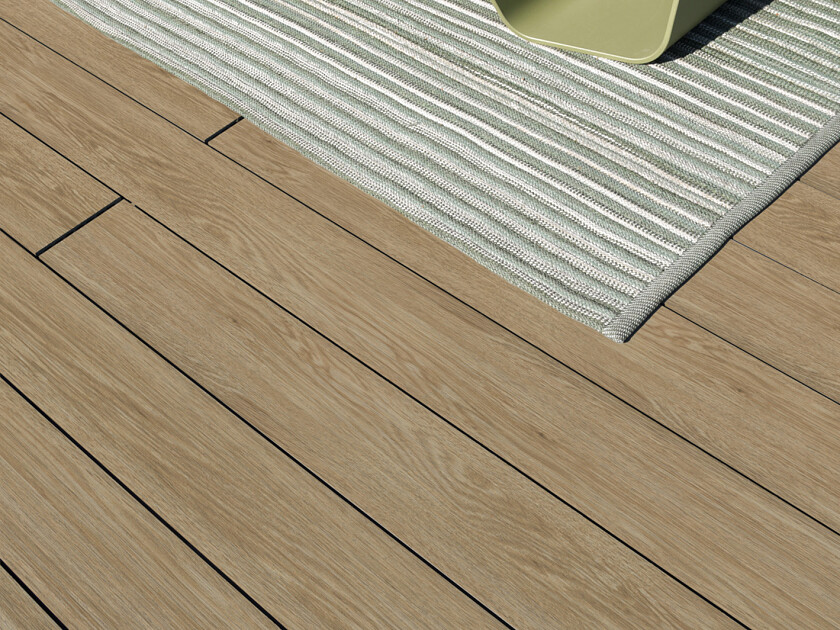
Lasting beauty with low maintenance
Duofuse requires hardly any maintenance – no painting, no hassle, always a clean look.
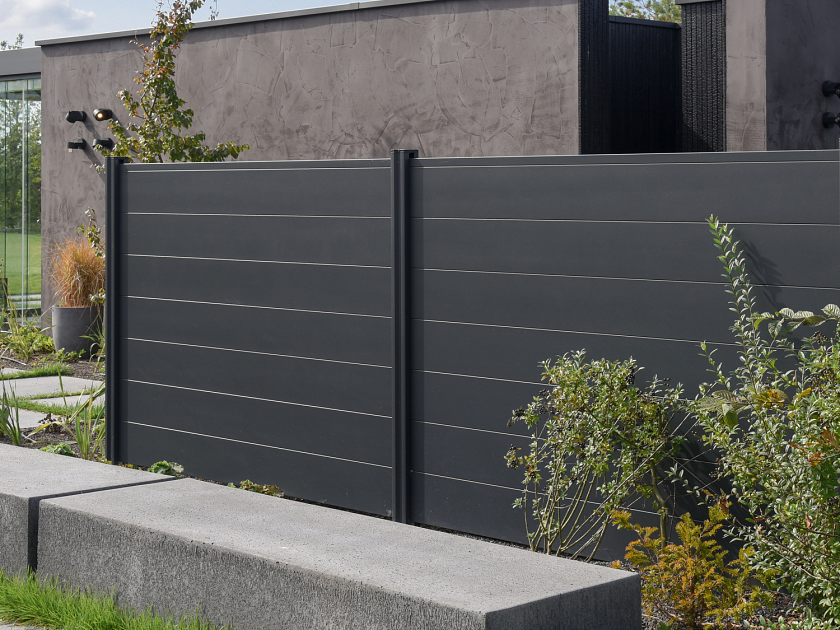
Easy to install with a stunning result
With Duofuse, installation is quick and easy — no special tools, no hassle. The result? A sleek, durable finish that instantly upgrades any space. Inviting outdoor living has never been this effortless.
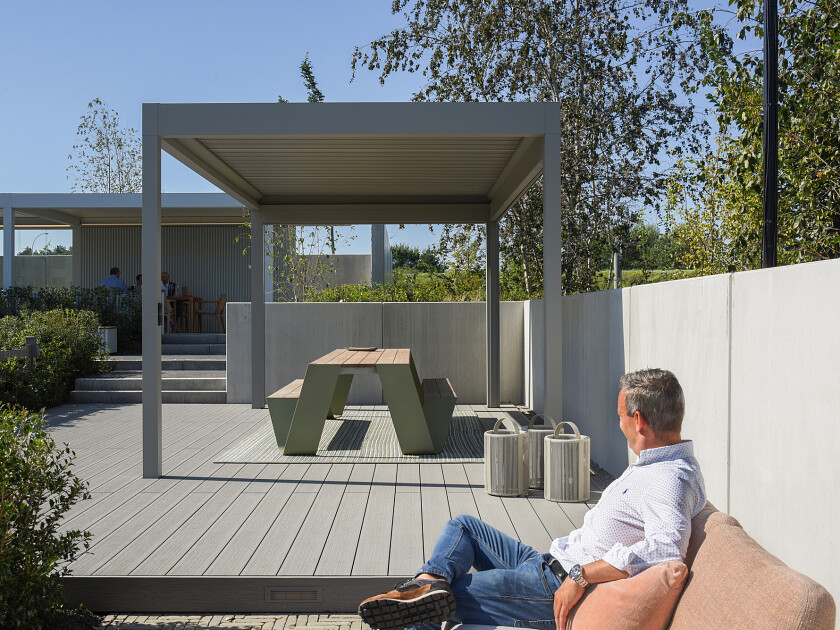

Inspiration


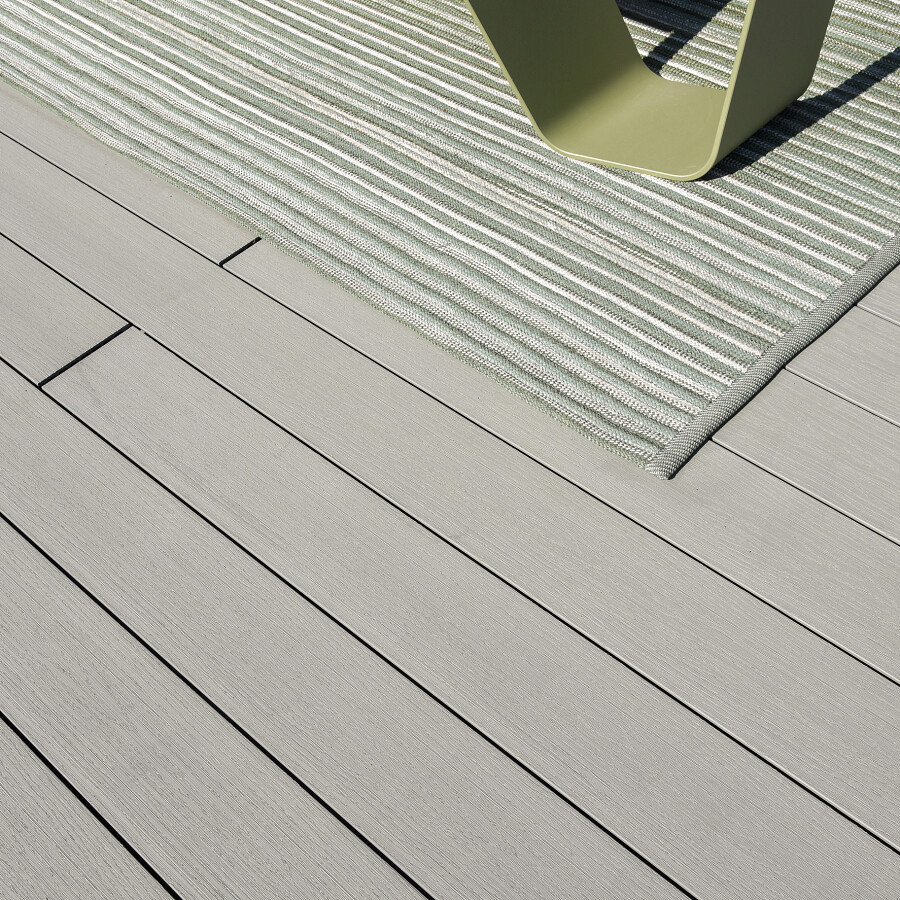


Decking boards configurator
Calculate the number of Duofuse components you need for your decking with our online configurator